
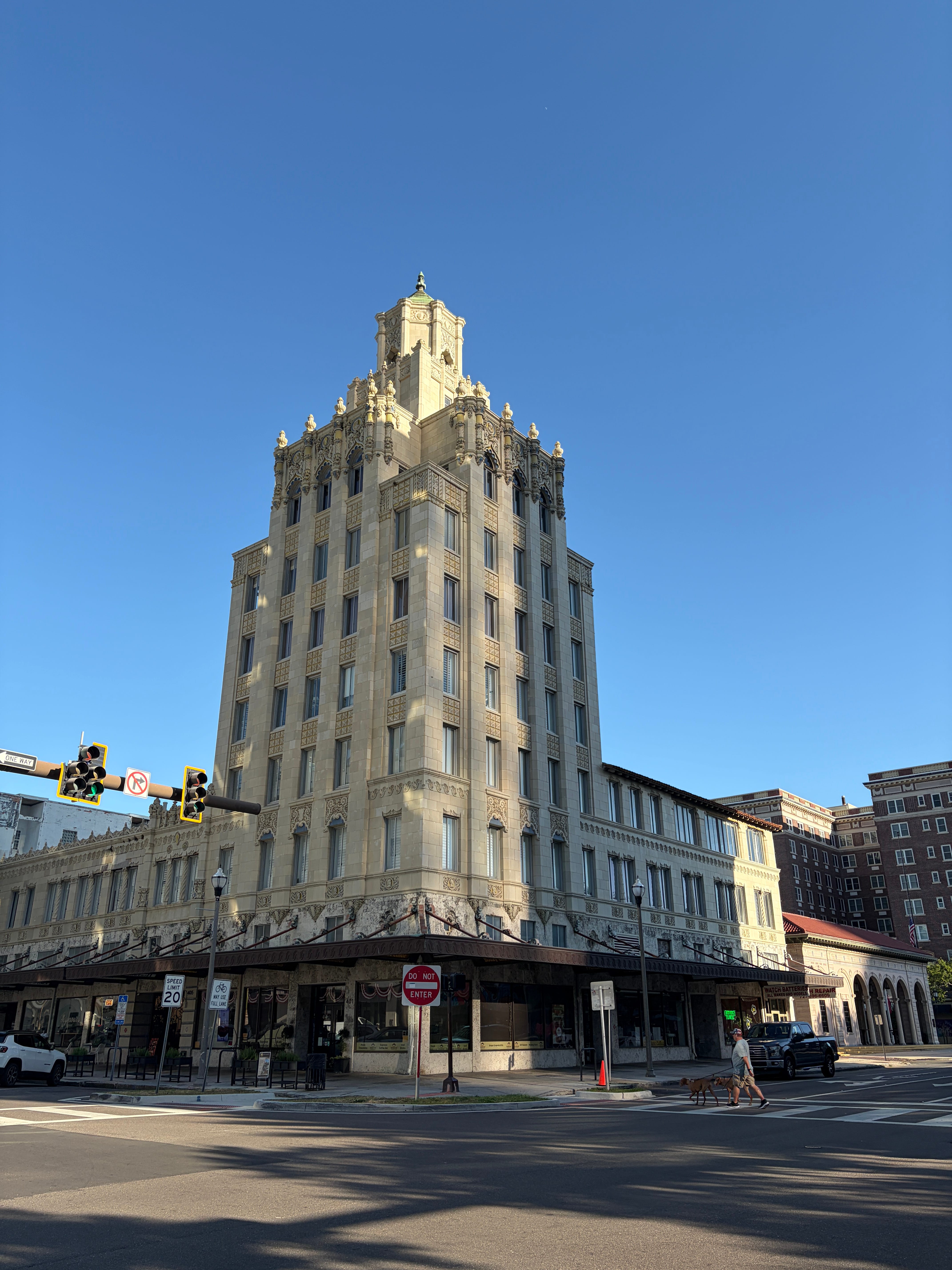
C. Perry Snell said it himself: “I have never wanted to build just another building. I wanted to build something that would be a credit to the city and a joy to those who see it.”
He said that in 1926. The building opened in 1928. It is still standing at the corner of Central Avenue and 4th Street in St. Petersburg, Florida, and it is still the most interesting thing on that block.
I walked through it recently as part of a Florida Trust for Historic Preservation presentation — my team giving a walkthrough of a building most people pass without really seeing. I’ve been in a lot of buildings over the last twenty-four years. Snell Arcade is not most buildings.
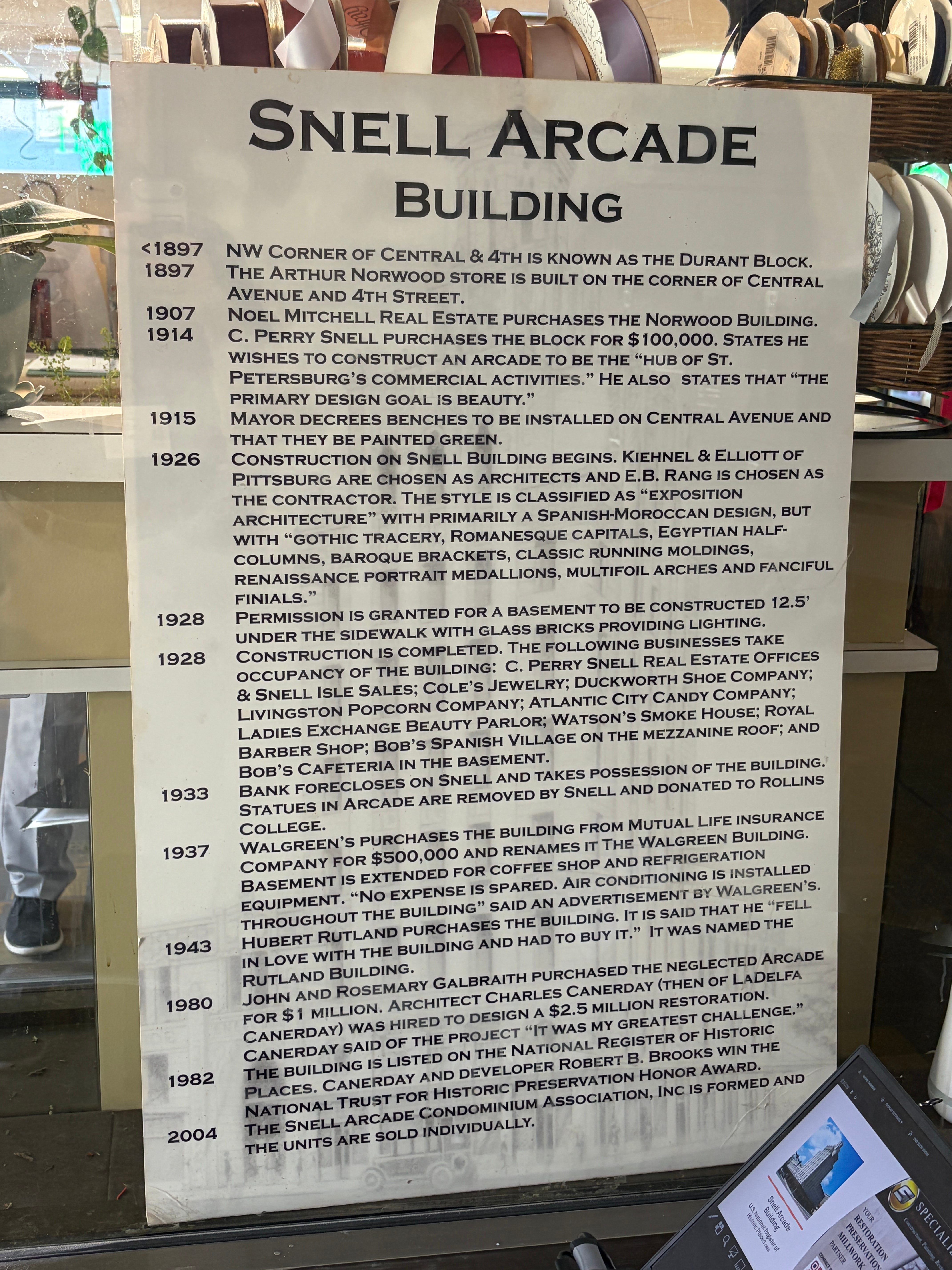
The first thing you notice, if you’re paying attention, is the skin.
Terra-cotta glazed tile — not brick, not stucco, not the poured concrete that defines so much of Florida’s built environment. Actual terra-cotta, fired and glazed, brought in from somewhere that understood what permanence looks like. Pink Etowah marble from Georgia along the interior. Keystone along the exterior façade from the Florida Keys. A copper canopy, patinated now, shading the sidewalk the way it has since Coolidge was in the White House.
Twenty-five different tile designs inside the arcade alone — and here’s the detail that stopped me: Snell brought many of those tiles back from Europe himself, shipping crates of them across the Atlantic. They were mixed and matched without any preordained plan. No pattern, no grid, no system of repetition. Just the instinct of a man who had spent time in Spain and Italy and understood that beauty doesn’t always require a blueprint.
Every tile is original. Every tile has been there since 1928.
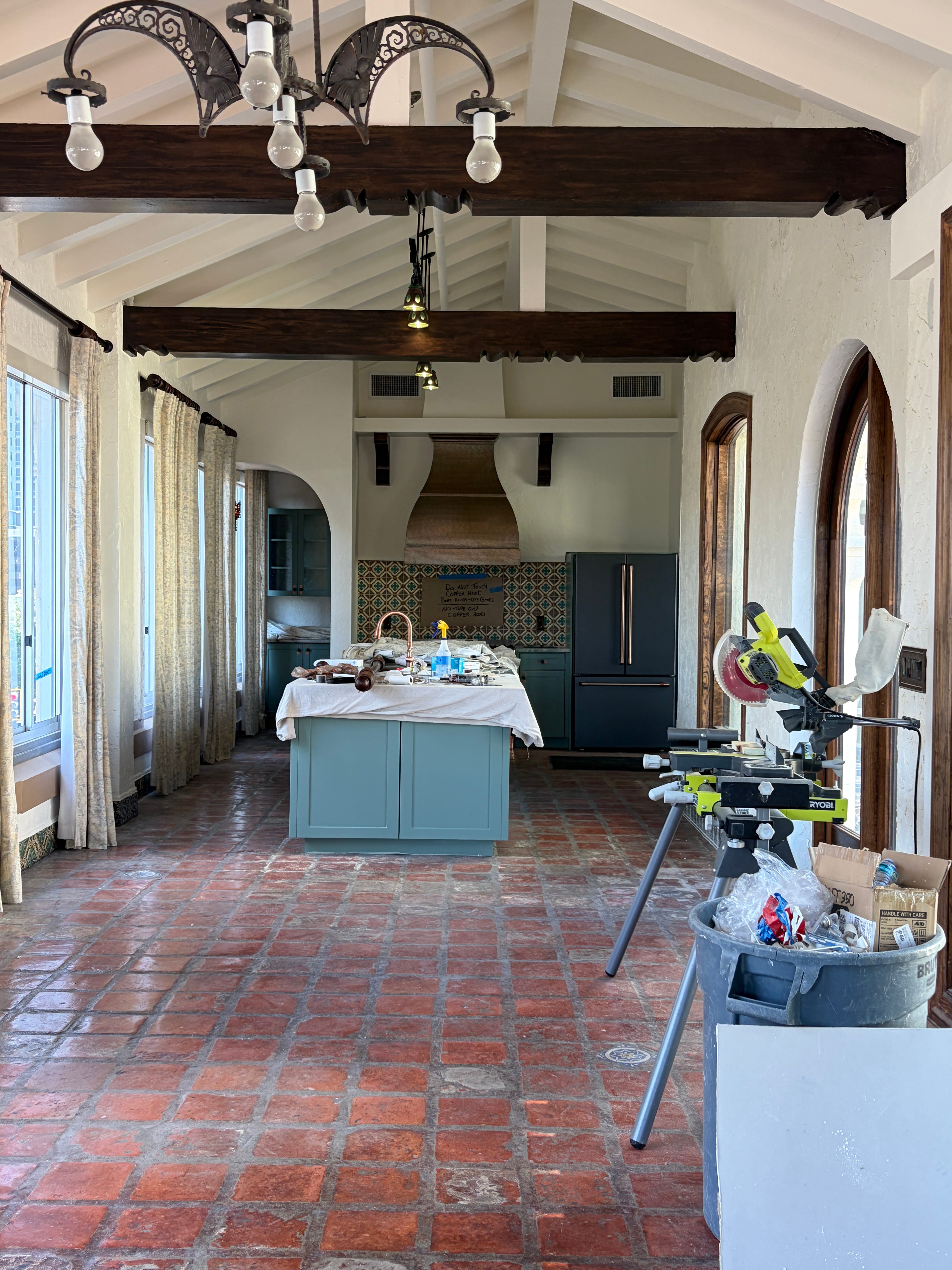
Snell was a pharmacist who became a developer — a chemist-turned-builder who spent decades reshaping the Pinellas Peninsula. He developed Snell Isle. He commissioned Richard Kiehnel, one of the most significant architects working in Florida in the first half of the twentieth century, to design something that would mean something.
What he got was a building that contains, as the historical record puts it, probably every architectural detail that Spanish architecture ever contained. Brackets supporting quadrafoiled arches. Ornate wrought iron. Moorish gothic windows. An ornate tower crowning the roofline. Seven imported statues of Venus on pedestals inside the arcade. Three skylights illuminating a barber shop, a shoe repair, a candy store.
The original plan called for two towers. The Depression stopped the second one from being built. But Snell had designed the foundation to carry both — which means the building standing today is incomplete by its own blueprint, and has been standing incomplete for nearly a century, and it is still the most interesting thing on that block.
There is something worth sitting with in that. The thing that wasn’t built is visible in the thing that was. Incompleteness as record. Ambition legible in the absence of what it couldn’t finish.
By 1933, the Depression had taken the building from him. Snell mortgaged it to fund Snell Isle, the real estate market collapsed, and the bank held it. He never got it back. He died in 1942, and in 1943 a local businessman named Hubert Rutland bought the building and began significant renovations.
Here is what matters about those renovations: Rutland closed off parts of the arcade. He added a mid-level floor. He made the changes his era required. And then, crucially, he stopped. No other significant changes were made during his ownership. The original historic features sat untouched because Rutland apparently understood — or at least intuited — that there are things you don’t improve upon. You maintain them. You protect them from the next wave of decisions.
The building remained in the Rutland family until 1980.
When it sold again, it went through an office conversion. Then, in 2003, twelve residential condominiums on the upper floors. The arcade was reopened. The building went on the National Register of Historic Places in 1982, which unlocked preservation easements, transfer of development rights, tax incentives — the full toolkit of mechanisms that make it financially rational to keep something alive rather than tear it down.
That toolkit exists because someone decided it should. Because the argument was made, persuasively enough, that a building like this is worth more intact than demolished. That the marble and the tile and the copper canopy and the twenty-five mismatched tile designs are a form of wealth that doesn’t appear on a standard balance sheet but is real nonetheless.
The Florida Trust for Historic Preservation exists to make that argument professionally, institutionally, year after year, building by building. It is, in its way, a collection of a particular kind.
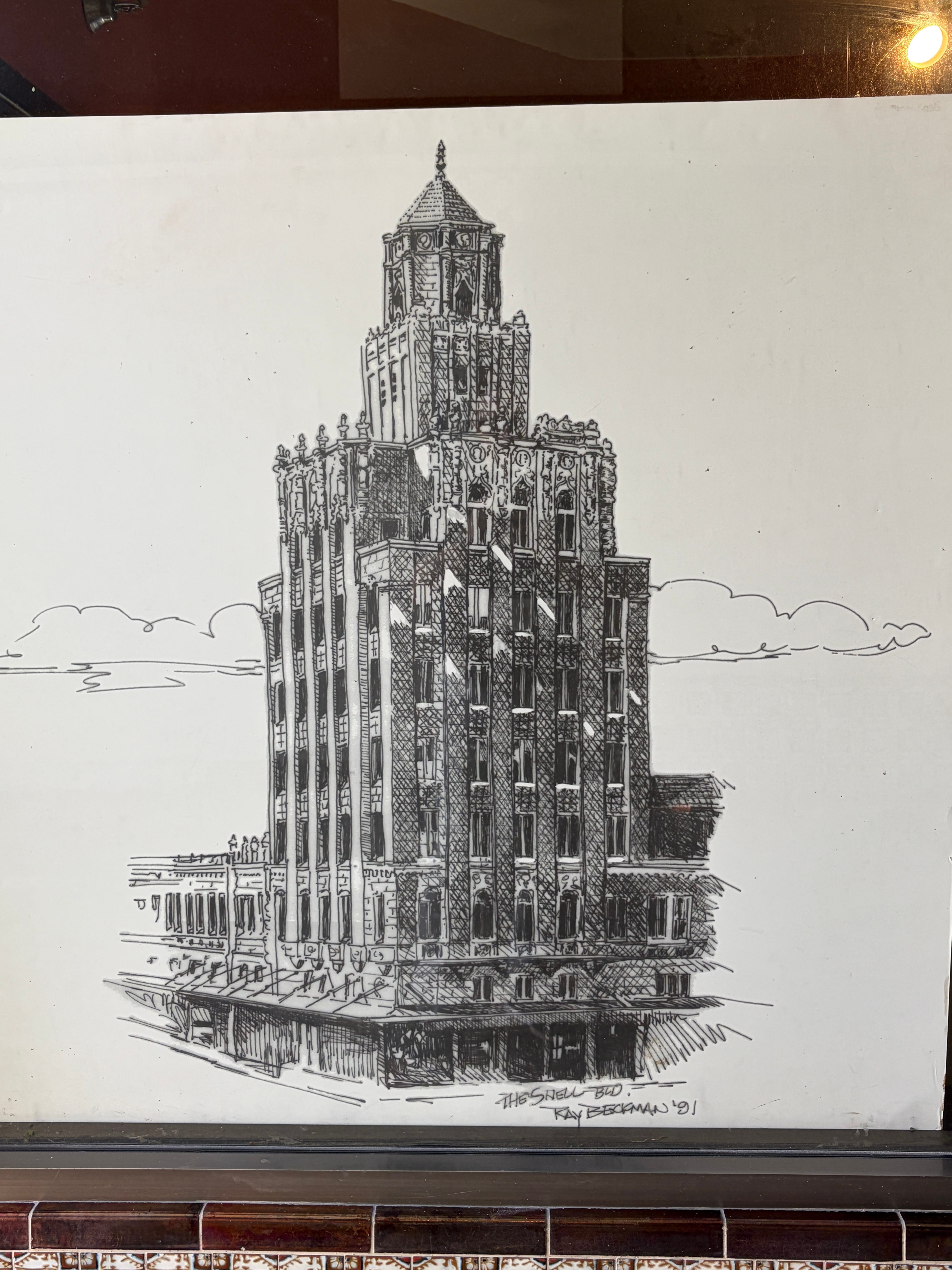
I collect things. Watches, mostly — mechanical movements, things built to resist the disposable. Fountain pens. Vinyl records. Shoes with welts you can resoled a hundred times. The animating principle underneath all of it is the same: some things are built to last, and the ones that are deserve different treatment than the ones that aren’t.
The Snell Arcade was built to last. You can feel it in the materials — not in some romantic, metaphorical sense but literally, physically. Terra-cotta doesn’t crack the way cheaper cladding does. Marble doesn’t compress. Copper doesn’t rust; it transforms. The building is nearly a century old and the envelope restoration that happened in 2016 and 2017 was largely a matter of pointing joints, sealing caulk, repairing lintels. Not replacement. Maintenance. There’s a significant difference.
A watch movement from 1953 — the year Glycine introduced the Airman for Pan Am pilots — can be serviced today. The parts exist. The knowledge exists. The intention to build something that could be maintained rather than discarded was baked into the design from the beginning. The Snell Arcade is the architectural equivalent of that. Kiehnel didn’t design a building for its era. He designed a building for the next several eras, and trusted that each of them would find a use for it.
They have.
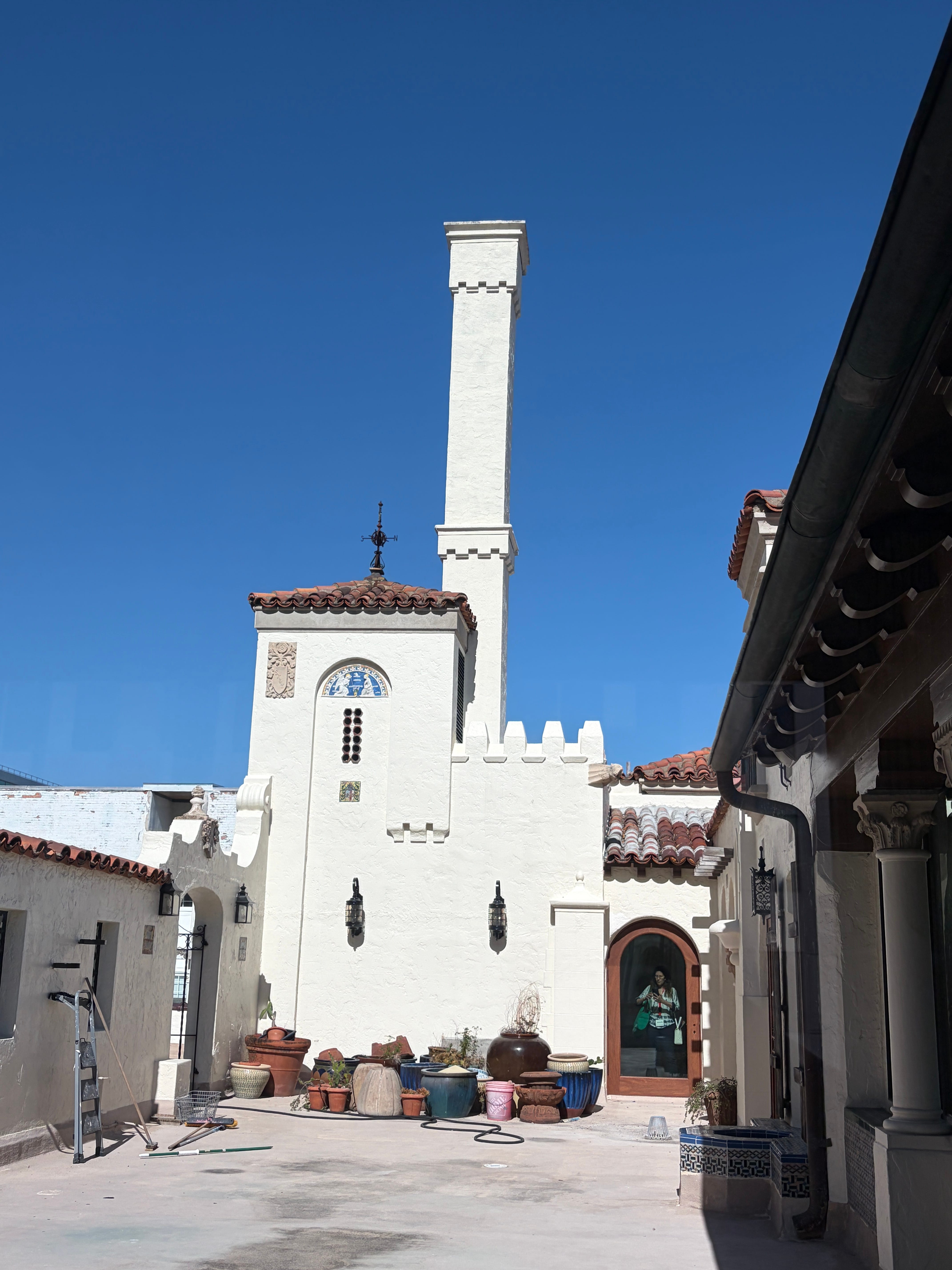
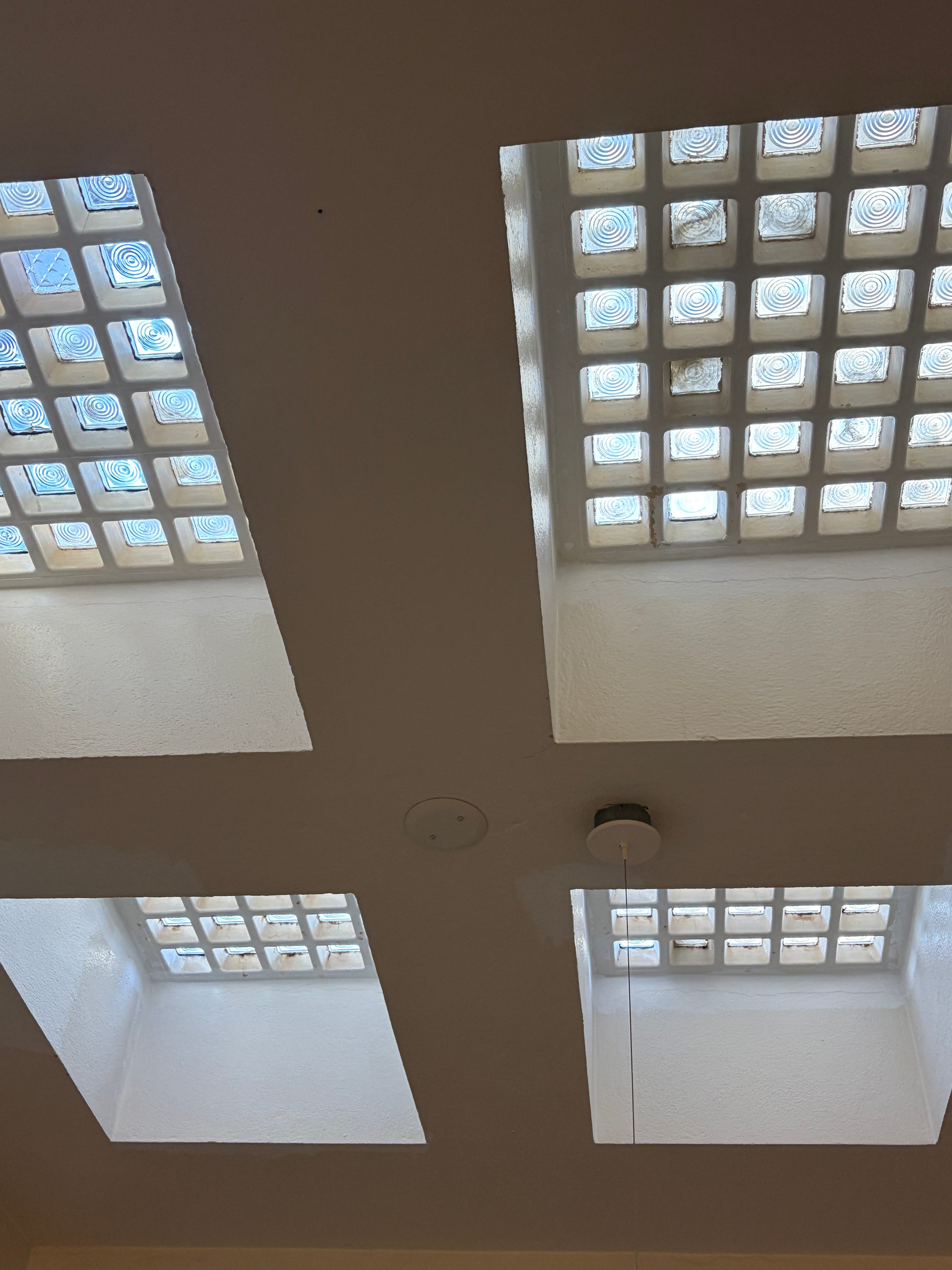
The rooftop terrace once housed Bob’s Spanish Village, an open-air night spot that became, during Prohibition, what the historical record charmingly describes as “the world’s worst speakeasy” — the sounds of the party bellowing into the streets with total disregard for the law. The basement was originally Bob’s Cafeteria, lit by a skylight ceiling set under the sidewalk above. An underground spring was breached during construction, flooding the excavation at 3 AM, and the original basement floor was poured two feet below the water table. A fact that has been creating ongoing moisture problems for a hundred years and has not, apparently, stopped anyone from using the basement.
Late in 2025, it was announced that the basement will become Medina 405 — a high-end social club with a wine cellar, a library, a billiard room, private dining, a golf simulator. Once rumored to be a bootlegger’s passage, now a members’ club. The building reinvents itself again without becoming anything other than what it is.
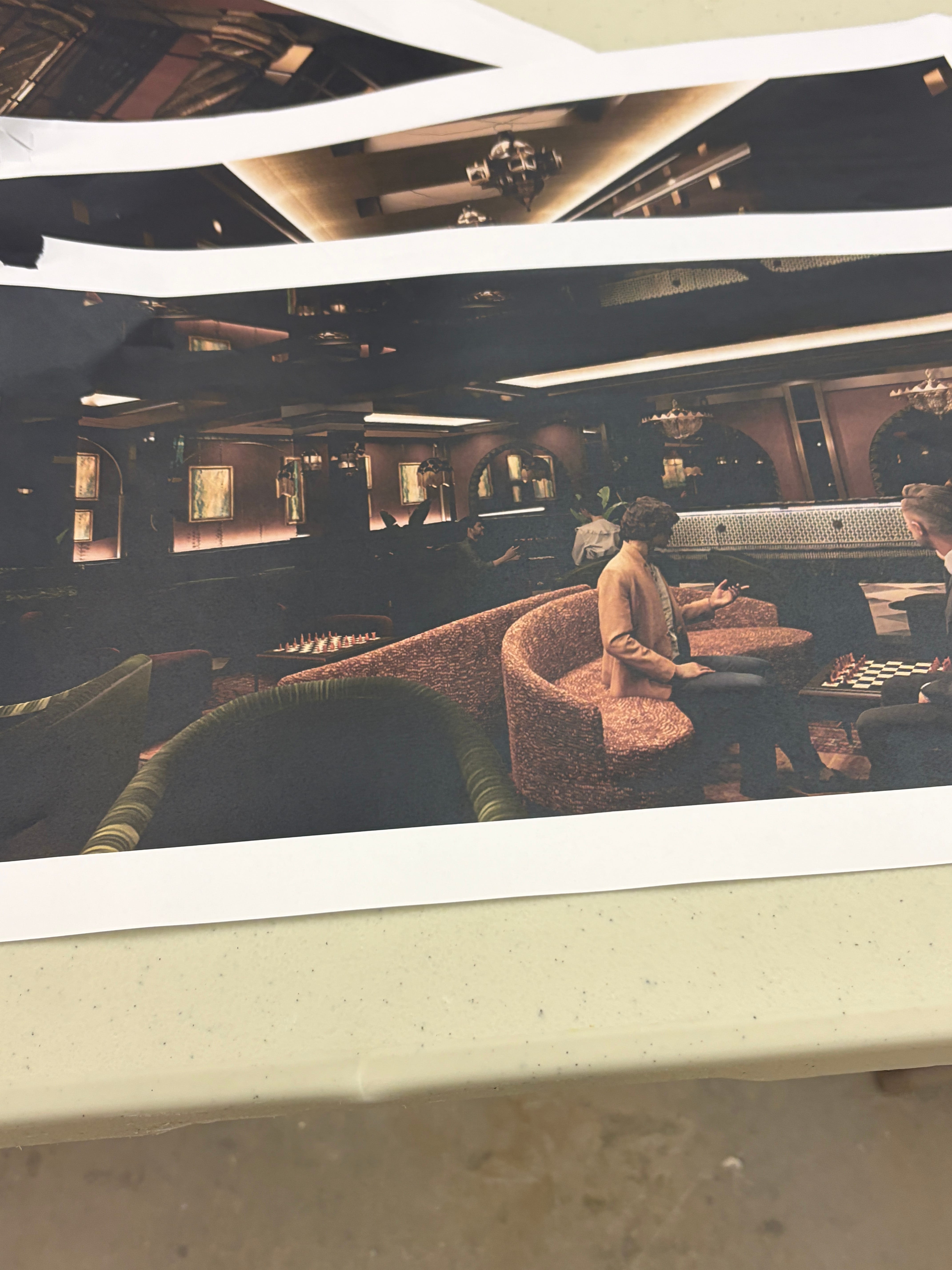
That’s the move. That’s always been the move. Not preservation in amber — not a museum piece behind velvet rope — but something living, adapting, absorbing each new era without surrendering the material fact of itself.
There is a quote attributed to Snell — “I have never wanted to build just another building” — that has been printed in enough historical documents that it’s become inseparable from the building itself. I don’t know exactly when he said it or to whom. But I believe it, because the building proves it.
You cannot build something like this by accident. The tile from Europe. The marble from Georgia. The keystone from the Keys. The foundation poured for two towers when the budget only covered one. The arcade stretching through the building to an open-air post office next door, creating a breezeway through the block in an era before air conditioning, when moving air was infrastructure.
Every one of those decisions was intentional. Every one of them is still visible a century later.
I walked out of that building thinking about the things I own that will still be here in a hundred years. The mechanical watches, maybe — the ones built from materials that don’t degrade, with movements designed to be serviced rather than replaced. The fountain pens. The records. The things I chose because they were built by someone who meant them.
Snell meant this building. You can tell.
———
The Snell Arcade stands at the corner of Central Avenue and 4th Street North in St. Petersburg, Florida. It has been on the National Register of Historic Places since 1982. The Florida Trust for Historic Preservation works to ensure buildings like this one have a future as certain as their past.